The Second Life of a Sea-Weathered Piece of Wood
Sea-weathered wood can bring a quiet coastal note indoors; learn how to choose a piece for display without guessing its history or safe uses.
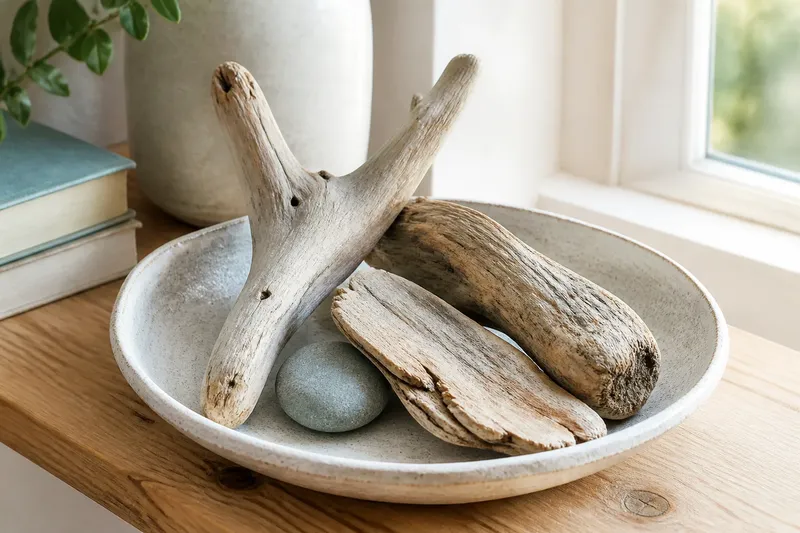
A pale, smooth piece of wood on a hall shelf can catch the eye before the keys beside it do. Sea-weathered wood has long found a second life as a decorative material, valued for its softened edges, faded grain and irregular shape. The pleasure is in the form it has become, not in a story we cannot verify about where it came from.
There are a few sensible ways to bring that look into a room: keep a small piece as a found object, make a simple display from one or more pieces, or choose a reclaimed item already made for the home. Each suits a different appetite for handling, cleaning and uncertainty. The right choice depends less on coastal style than on how much you know about the wood and what you want it to do.
Sea-weathered wood is most appealing as a found form
Water, sun, sand and time can wear away sharp corners and expose the grain in ways that are difficult to imitate exactly. A branch may curve like a hook; a sliver of timber may have a naturally scooped hollow. These marks are part of the object’s visual character, but they do not tell you its age, source or former use.
That distinction matters. A weathered surface is not a label. Wood found near a beach could have come from a natural branch, a broken object or material carried from elsewhere. Salt staining and a rounded shape may suggest a journey through water, but neither establishes a reliable history. Treat the piece as an appealing fragment rather than a record of a particular ship, building or person.
For a quiet display, choose a piece whose shape already makes sense to you. Set it on a stable shelf or in a shallow bowl, with room around it so its outline remains visible. A single fragment often says more than a cluster of small objects arranged to suggest a scene.
Keeping one piece loose suits the cautious collector
A loose object is the least committed option. It needs no drilling, glue or elaborate mounting, and you can move it if it sheds grit, feels damp or simply no longer suits the room. Choose this approach if you like the wood itself but do not need it to serve as a handle, hook, stand or structural part of anything.
Before bringing a found piece indoors, check local rules about collecting on the shore; access and removal rules can differ by place and beach. If collecting is allowed, avoid taking wood from dunes, planted areas or places where it appears to be part of a managed habitat. A photograph can preserve the shape when leaving the object in place is the better choice.
At home, look it over in good light. Brush away loose sand outdoors with a soft, dry brush, then let the wood dry fully in a ventilated place before displaying it. Do not scrub away a surface you value just to make it look uniform. If it remains wet, has an unusual odour, shows signs of active insects, or seems coated with an unknown substance, leave it out of living spaces and seek advice from someone qualified to identify or handle it.
Say you find a dry, palm-sized forked branch on a permitted stretch of shore and like the way its two tips frame a small stone. You could brush off loose grit outside, let the branch dry in a sheltered, airy spot, then place it alone on a tray. The expected result is a modest display whose appeal comes from the branch’s outline, without claiming that the stone or wood has a known origin.
A simple arrangement suits people who enjoy composing a display
If one fragment feels too slight, arrange a few pieces together without fixing them permanently. A shallow ceramic dish, a plain wooden tray or a clear glass vessel can give a group a boundary while keeping the forms visible. Choose pieces with different outlines rather than collecting several that all make the same visual gesture.
This approach rewards restraint. A curved branch can sit beside a narrow, flatter piece; a small gap between them lets each shape read clearly. Think of the tray like a picture frame: it gives the objects a place, but it should not compete with them. Keep the grouping away from shelves where a bump could send pieces falling, and avoid balancing heavy or sharp fragments on narrow points.
Arrangements are easy to refresh, but that does not make every object suitable for every room. Keep unknown or crumbly wood away from food preparation, children’s play areas and places where pets might chew it. Do not use a found piece as a candle holder, lamp base, coat hook or support for another object. Those jobs require material and construction you can assess, not a pleasing surface alone.
This option suits someone who enjoys changing a small corner with the seasons but wants to avoid turning the wood into a craft project. If the display starts to feel busy, remove pieces until the remaining shapes have room to breathe.
Reclaimed homewares suit those who want a defined purpose
A finished object made from reclaimed timber offers a different kind of reassurance: its intended role is clearer, and its maker can explain what work was done to prepare it. It may still retain a weathered appearance, but it is no longer simply a found fragment. This route suits people who want a coastal material in the room without taking responsibility for an unidentified piece.
Ask what the item is made from and what finish has been applied, especially if it will sit near food, heat, water or frequent handling. For a shelf ornament, those concerns may be limited; for a serving board or furniture part, suitability depends on the maker’s information and the relevant product instructions. If the intended use is unclear, choose another item rather than guessing.
Reclaimed pieces can also carry a more definite design language than raw driftwood. A sanded, sealed object may feel tidy and deliberate, while a loose piece keeps its irregularity. Neither is more authentic. Choose according to whether you want an object that looks finished or one whose natural outline remains the main event.
How should you choose a use for sea-weathered wood?
Can you tell where a piece of driftwood came from?
Usually, its appearance alone cannot establish a reliable source or history. Describe what you can observe—its colour, grain and shape—rather than presenting a guess as fact.
Should found wood be cleaned before display?
Remove loose grit with a dry, soft brush outdoors and allow damp wood to dry in a ventilated place. If it has an unknown coating, persistent odour or signs of pests, do not bring it into a living space until it has been assessed.
Can driftwood be used as furniture or a hook?
A found fragment should not be assumed strong or stable enough for a functional role. Use a purpose-made item with suitable construction instead, particularly where a person, pet or valuable object could be hurt if it failed.
Is a bought reclaimed piece the same as beach-found wood?
No. Reclaimed wood has been recovered from a known or described source, while beach-found wood may have an unknown history. A reputable maker can explain the material and intended use of a finished item.
Let the form lead, and keep the claims modest
Sea-weathered wood works well as decoration when its limits are part of the decision. A loose fragment suits someone who wants one unaltered shape; a tray arrangement suits a person who likes composing and rearranging; a finished reclaimed object suits someone looking for a defined household role. The choice is between ways of living with the material, not levels of coastal authenticity.
For a small coastal memory at home, start with what you can see: the sweep of a branch, the contrast between pale grain and a dark knot, or the way light falls across a worn edge. Let that be enough. Sea-weathered wood needs no invented backstory to earn a place on a shelf.